At a glance
- It is a formal public viewpoint: a walled platform on the edge of a hill, usually with benches, often with a kiosk, built specifically so people can stand and look at the city.
- Lisbon has more of them than any comparable city because the topography supplies the vantage points and the culture built terraces on them rather than houses.
- The view changes completely between hills. One frames the castle, another the river mouth, another a roofscape running downhill in terracotta.
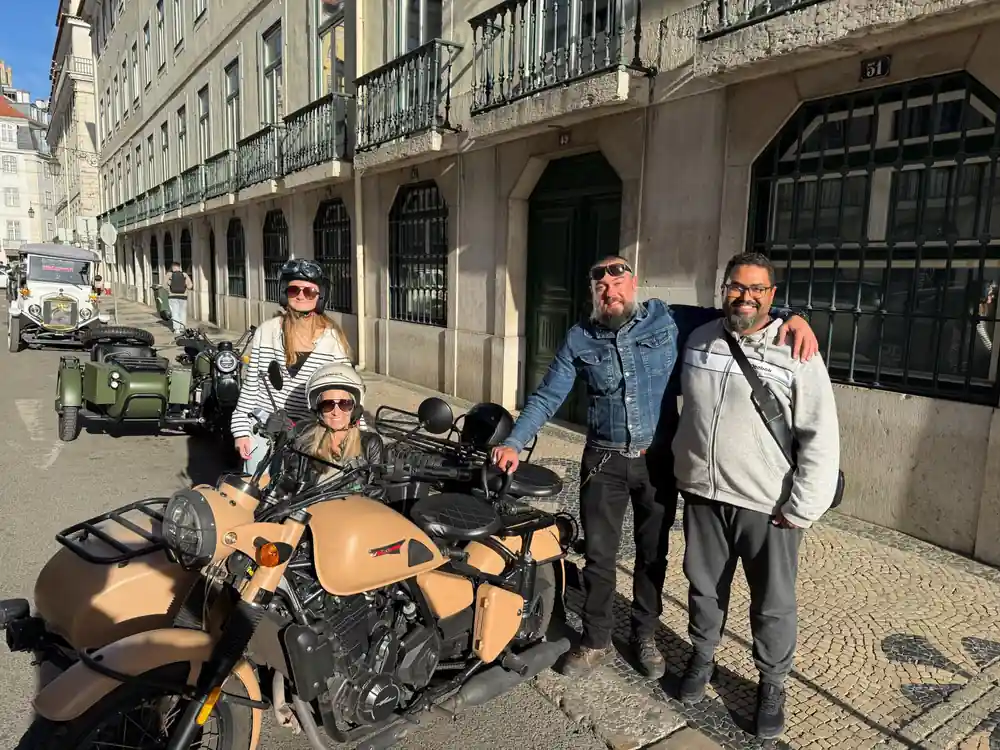
- Most sit at the top of steep narrow streets with little parking. That is exactly the situation a short, narrow, open vehicle is built for.
What Is a Miradouro?
A miradouro is a Portuguese viewpoint, typically a public terrace or overlook positioned to frame a city's most dramatic sights. The word translates simply to 'viewing place', but these spots are far more than random patches of pavement. They are deliberately sited at elevations where Lisbon's geography reveals itself: the Tagus River, the medieval castle, the suspension bridge, the terracotta rooftops stacked across seven hills. Most miradouros offer benches, railings, and often small bars or cafés. Some are modest, quiet corners where locals pause on their way home. Others have become destinations in their own right, crowded with visitors who arrive specifically to see what the city looks like from that angle.
Miradouros exist throughout Portugal, but Lisbon has accumulated them in particular abundance because of its site. The city rises steeply from the riverbank, creating natural high points that have drawn construction since the Moorish period. Each neighborhood at a different elevation discovers its own horizon. Rather than fighting this topography, Lisbon's planners and residents have embraced it, marking the best sightlines and keeping them accessible to the public.
Why Lisbon Has So Many Viewpoints
Lisbon's hillside terrain is the primary reason for its abundance of miradouros. The city occupies a series of ridges and valleys that slope down toward the Tagus estuary to the south. Any street corner at a higher elevation can potentially become a viewpoint if the sight is worth pausing for. Over centuries, residents and visitors have gravitatated toward certain spots, and the city has formalized these informal gathering places. Some miradouros date back hundreds of years; others have been created or improved within recent decades as Lisbon has invested in tourism and public spaces.
The river itself drives this geography. The Tagus is one of Europe's major waterways, and Lisbon sits where it widens into a vast harbor. The city's founders chose this location for trade, and the river remains its defining feature. From any higher vantage point, your eye is drawn across roofs and streets toward that expanse of water. The miradouros simply codify what the city's layout has already suggested: stand here, and you will see something worth remembering.
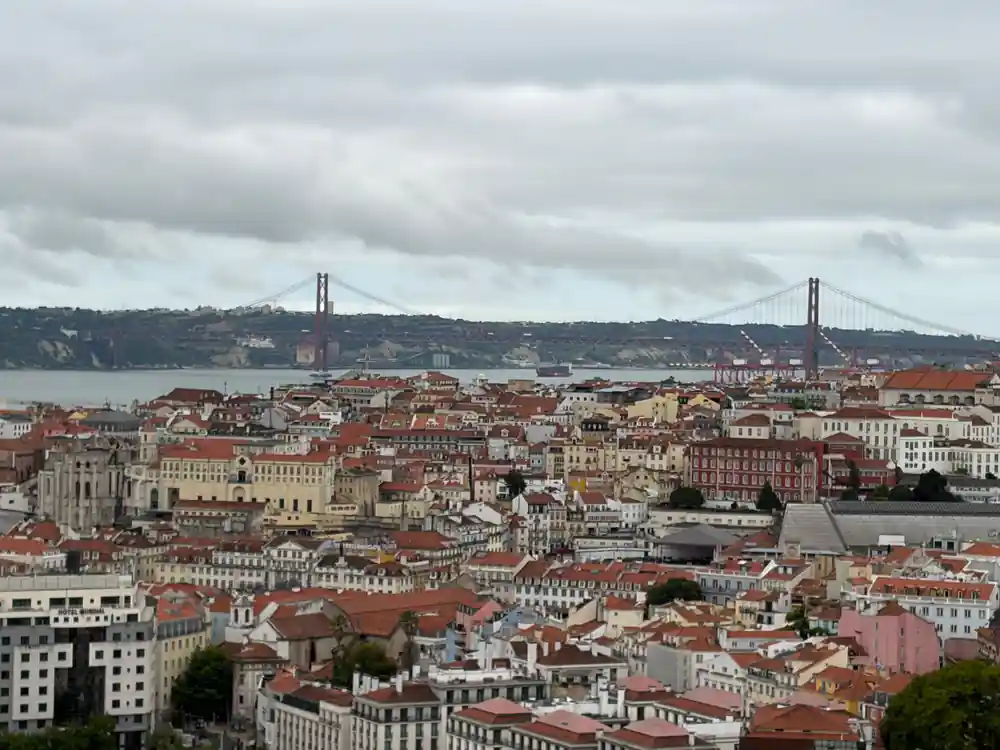
A terrace at the top of a lane, with the river filling the whole southern horizon
What You See From the Heights
From Lisbon's viewpoints, four elements dominate the view. First is the Tagus itself, stretching wide and shifting color with the light and season, often dotted with fishing boats and ferries. Second are the rooftops, a terracotta-tiled landscape that ripples across the hills in all directions, broken by church spires, chimneys, and laundry lines. Third is São Jorge Castle, the medieval fortress that crowns the highest hill in the old city, its pale stone walls and turrets visible from nearly every miradouro. Fourth is the 25 de Abril Bridge, the suspension bridge that spans the river to the south, resembling San Francisco's Golden Gate in design and instantly recognizable from almost any elevated angle.
These views shift subtly depending on where you stand. A miradouro in the Alfama neighborhood looks across to the castle and down to the river at a steep angle. One in Belém looks back along the riverbank and toward the city center. One in Graça looks down across almost the entire historic core. The specific combination of these four elements, seen from different heights and directions, is what keeps visitors moving between viewpoints rather than stopping at just one.
The Challenge of Reaching Miradouros on Foot
Lisbon's hills are steep, and the streets connecting them form a maze. Many neighborhoods, especially the Alfama and Graça districts, consist of narrow, winding alleys that climb sharply, dead-end unexpectedly, or loop back on themselves. A miradouro that looks close on a map may require walking up long flights of stone steps, backtracking around buildings, or navigating passages barely wider than a shoulder. For visitors unfamiliar with the layout, simply finding the next viewpoint on foot is time-consuming and sometimes confusing. The reward is always worthwhile, but the effort accumulates across a day.
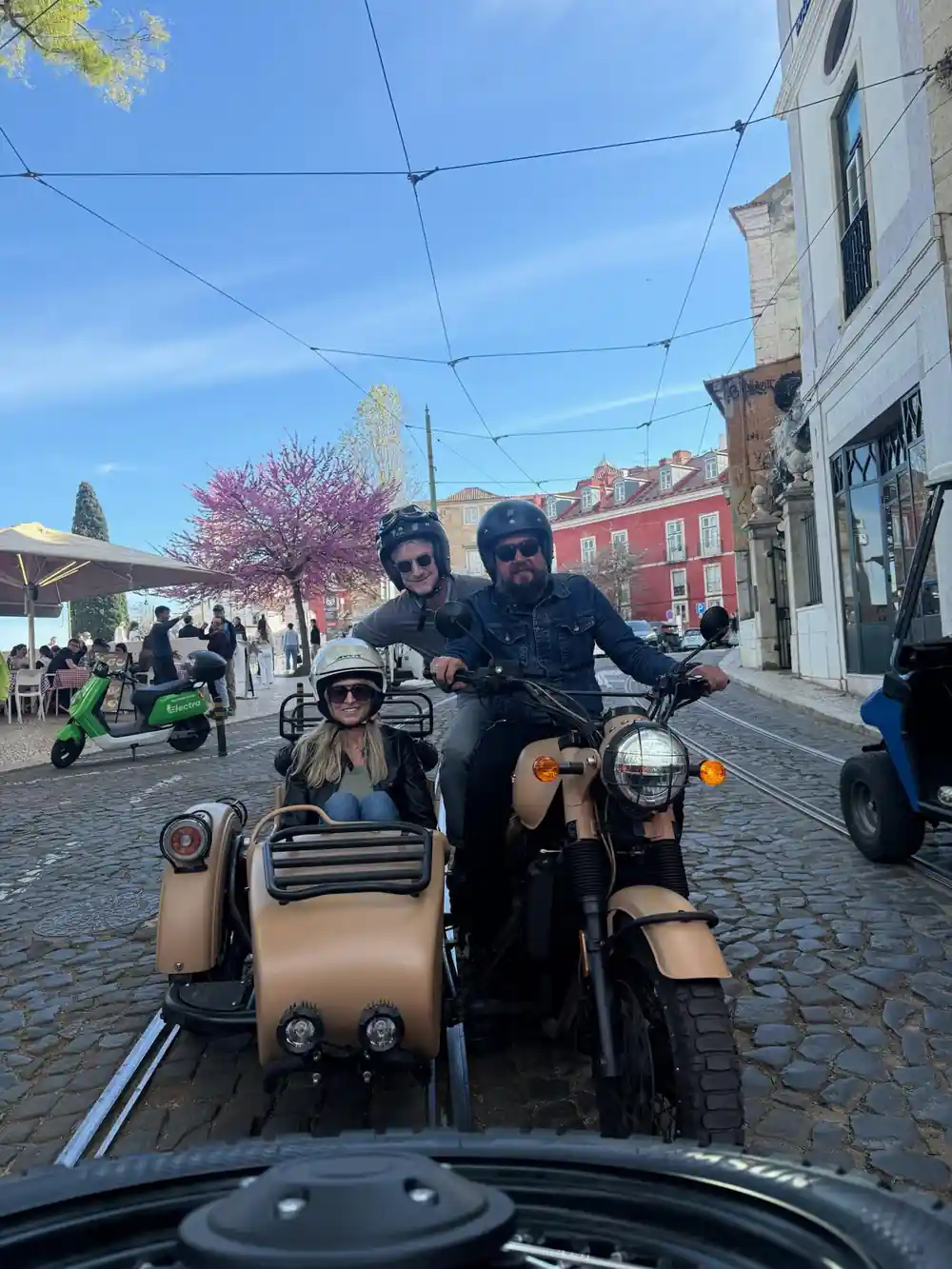
A sidecar, by contrast, navigates these narrow lanes far more efficiently than a full-size vehicle. The driver knows the city's layout and can thread through passages and reach elevated viewpoints without the walking required to connect them. The journey between miradouros becomes part of the experience rather than a test of endurance. You see the streets at street level, meet the neighborhoods where they live, and arrive at each viewpoint fresh rather than fatigued.
Dozens
Lisbon maintains dozens of public viewing terraces across its hills, all of them free to stand on and used by residents as ordinary evening space.
Which Viewpoints Draw Crowds
Certain miradouros are famous enough that they appear in guidebooks and receive recommendations in travel forums. These spots, particularly those offering views of the castle and bridge together, draw steady crowds throughout the day. Tourist buses park nearby; tour groups gather at the railings; vendors sell drinks and souvenirs. The light and the view remain unchanged, but the experience becomes shared intensely with dozens of other people at once. Sunrise and sunset shift the crowds but do not eliminate them. Off-season and off-hours (early morning, late afternoon on weekdays) offer quieter moments, but even these become busier as word spreads and Lisbon's tourism grows.
Timing matters if solitude appeals to you. A private guide and driver can adjust your schedule to visit the most popular viewpoints at quieter moments, or steer you toward less-trafficked spots that offer their own rewards. The trade-off is always between famous views and peaceful moments. Some visitors want the iconic vistas regardless of crowds. Others prioritize the chance to pause and absorb a view without jostling for space.
How Light Transforms the Viewpoints
Lisbon's reputation for photogenic beauty rests largely on its light. The city sits at a latitude where the sun tracks a particular path across the sky, and the Tagus reflects and diffuses that light across water and stone. Morning light, coming from the east, casts long shadows down the western slopes and makes the castle's walls glow. Afternoon light, higher and harsher, flattens some views but intensifies colors. Evening light, golden and low, transforms the terracotta rooftops into a warm, almost amber landscape while the river mirrors the sunset in shades of pink and orange.
The same miradouro visited at different times of day reveals different Lisboas. Morning offers clarity and shadow detail. Midday offers intensity and contrast. Evening offers warmth and glow. A visitor with limited time must choose which light suits their mood and camera. A guide familiar with the city's geography and seasonal light patterns can position you at specific viewpoints when the light will be best for what you want to see, turning a pleasant tour into something memorable.
The Sidecar Advantage for Seeing the City
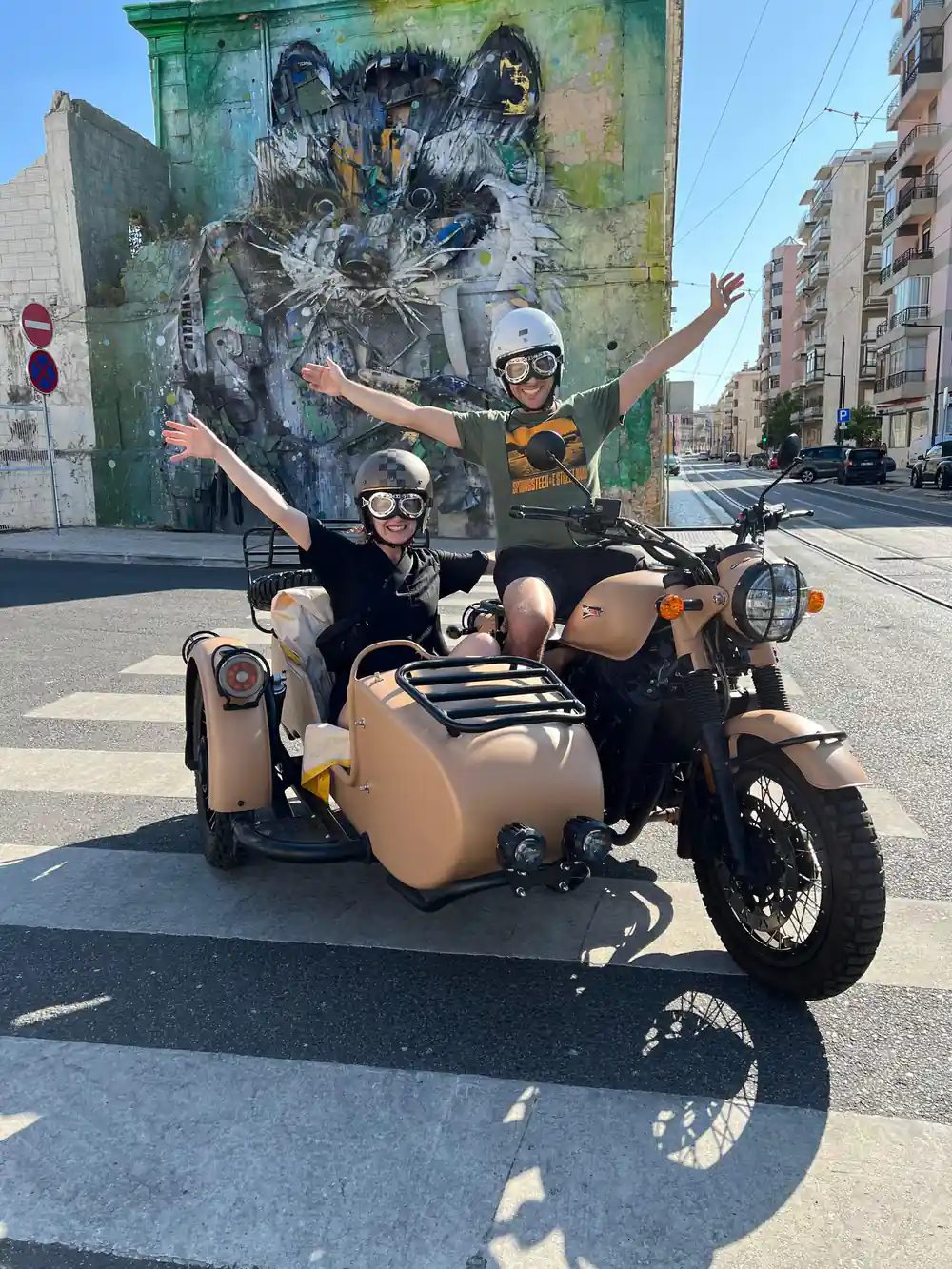
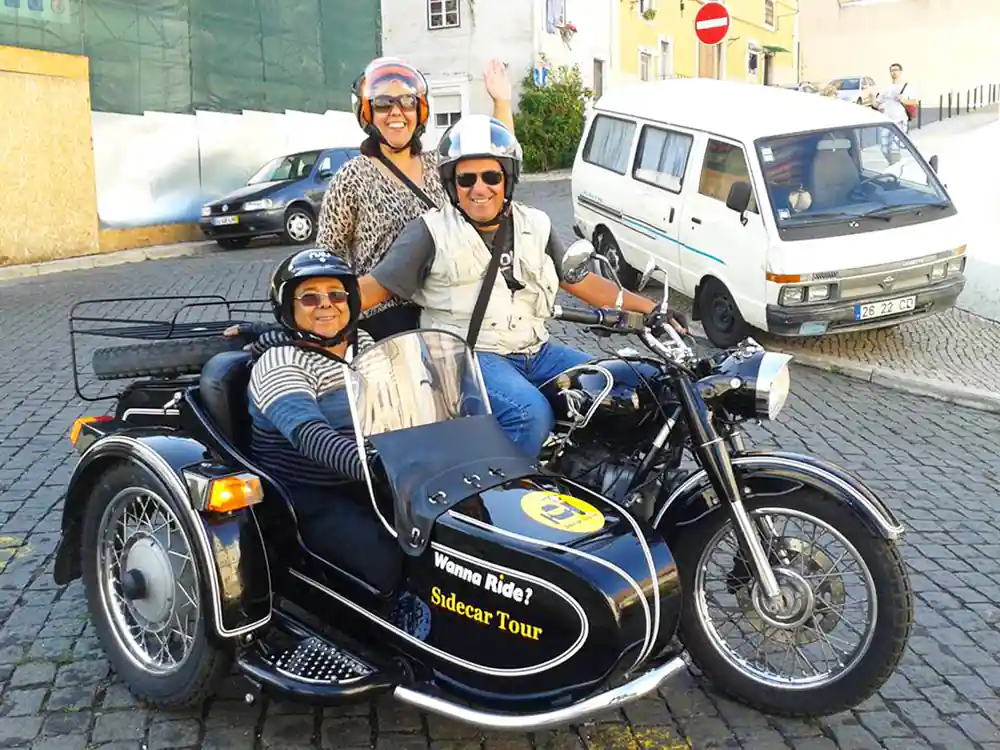
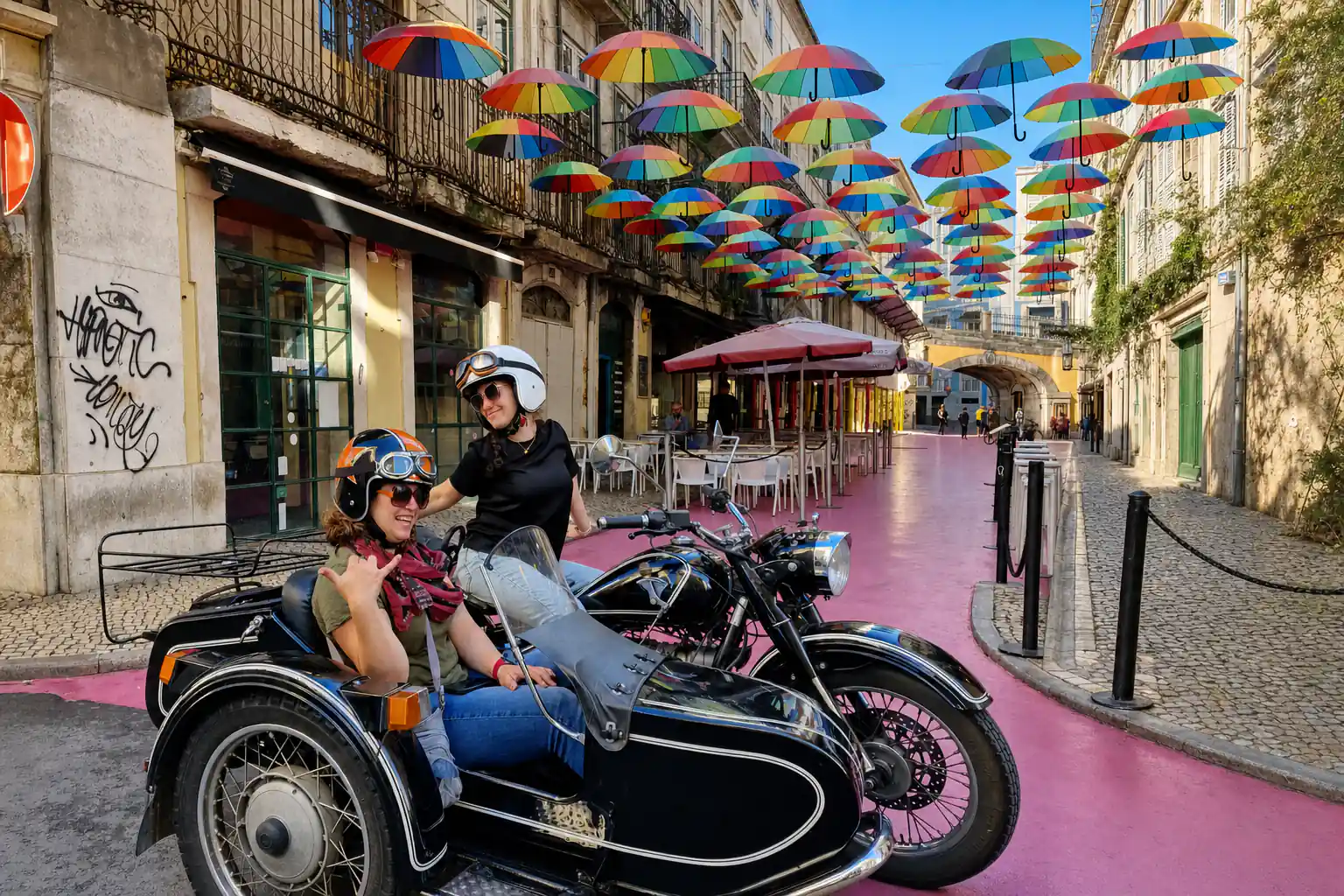
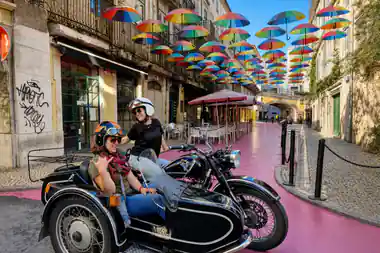
A sidecar tour of Lisbon's viewpoints combines several practical advantages. The vehicle is nimble enough to navigate steep, narrow streets that restrict larger buses and cars. The open-air seating keeps you immersed in the city's sounds, smells, and atmosphere rather than viewing it through a window. The driver acts as guide and navigator, handling the complex geography so you can look around and listen. The tour moves at a pace somewhere between walking (exhausting over many hills) and a speeding bus (too fast to absorb). You spend your energy on seeing, not on getting lost or climbing stairs.
Over 3 hours and 30 minutes, a private driver can show you Lisbon's distinct neighborhoods, explain their history and character, and pause at viewpoints that matter. Hotel pickup and drop-off bookend the experience, removing the logistical burden of reaching a meeting point. You arrive back where you started, having covered far more ground and seen far more angles of the city than a walking tour of similar length could offer. The sidecar itself becomes a highlight, a memorable way to move through a city that reveals itself best from multiple vantage points.
Reach the terraces without doing the climbing first
from US$116Reserve now & pay later